Nearly 197,600 readers have turned to this guide for safety tips. Many pet owners in the United States find that curious cats and small pets like rabbits will chew cords and explore exposed wires.
They learn the value of taking time to evaluate each room. Even a single exposed wire can cause a life-threatening hazard for an animal.
Understanding chewing as natural behavior helps caregivers choose the right way to secure their living space. This article explains how to protect cables from pets and how to manage cords across the home so animals stay safe.
Readers will get clear, practical steps they can use today. The goal is simple: reduce risk, keep pets healthy, and make the house safer with easy solutions.
Understanding the Risks of Exposed Wires
Curious animals often find loose wiring long before their owners do. That means every cord and plug in the home deserves a quick safety check.
The Danger of Electric Shock
Power faults can cause severe injury. A frayed electrical wire or an uncovered outlet can deliver a dangerous shock. Even a brief bite of a live line may lead to burns, nerve damage, or worse.
Why Pets Are Drawn to Cords
Veterinarian Pippa Elliott notes that young animals and rodents have a biological need to chew. This behavior helps wear down teeth and is hard to stop without alternatives.
Small pets often see electrical cords as sticks or toys. When pets get into power cords, the result can be costly damage and, more importantly, a health emergency.
- Make sure to tidy cords so curious mouths cannot reach them.
- Inspect outlets and visible electrical wires regularly for exposure.
- If a pet shows interest in an outlet or cord, act immediately to reduce risk.
How to Protect Cables from Pets Using Physical Barriers
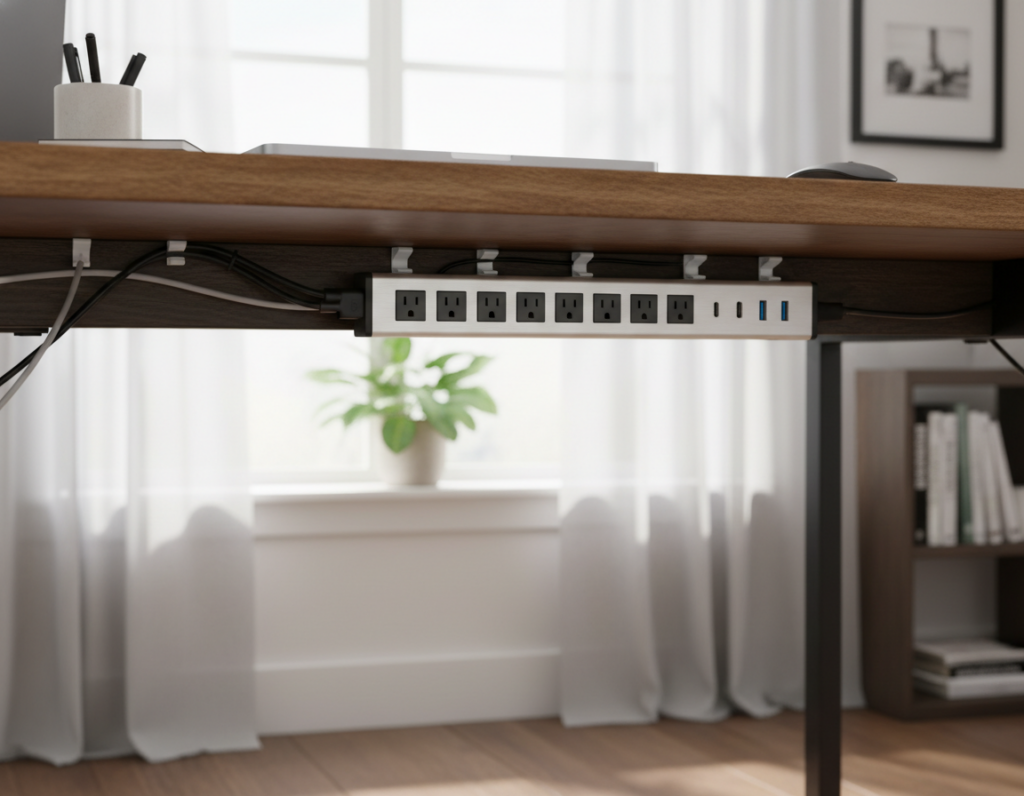
Simple changes to furniture layout can hide wires and lower risk around the house. Placing cords behind furniture like bookcases or TV stands keeps them out of sight and reduces access for small pets.
Attach cords to table legs with wire ties so they do not dangle. A secured cord is less tempting to cats roaming the room.
Create a DIY charging station inside a cardboard box to keep electrical cords tucked away. Label plugs and cut ventilation holes so devices stay cool.
Use adhesive tape to run wires along baseboards. This simple fix holds a wire flat and lowers the chance a curious pet can grab at it.
Physical protection is the first line of defense: keep most cords behind furniture and limit room access when unsupervised. These steps add reliable protection and make the home safer for both people and animals.
Utilizing Cable Management Tools for Safety
A few low-cost products can turn a messy bundle of wires into a neat, out-of-reach run. Owners in the United States often start with basic items available at local hardware stores.
Using cord clips and wall channels gives a clean look and keeps cords along wall lines where they are harder for curious animals to reach. Plastic cord clips lift a cord off the floor and tidy long runs across a room.
Practical options that work
- Wall channels mounted near the outlet hide wires that cross the room.
- Flexible tubing lets owners wrap multiple cables into one durable sleeve to discourage chewing.
- Mounting wire channels and using clips gives a professional finish and limits access for small pets and cats.
For step-by-step installation tips, see this guide on how to child- and pet-proof your cables.
Implementing Heavy Duty Protection for Persistent Chewers
For determined chewers, standard cord covers often need an upgrade to heavy-duty barriers. This section lists durable options that owners in the United States can install around appliances and furniture to keep wires out of reach.
Spiral Wraps and Flexible Tubing
Spiral wrap bundles wire runs and is easy to add at any point. It is available at most hardware stores and helps hide multiple cords in one neat sleeve.
Flexible tubing works well when running lines along wall runs. Use tubing with enough length to reach the outlet and cover all exposed areas near furniture.
The Benefits of PVC Piping
PVC piping creates a rigid, chew-proof barrier for sections behind large appliances. It is hard for small teeth to breach and ideal when a pet is on a mission to gnaw.
Choosing Braided Sleeving
Braided sleeving offers a dense, textile-like layer that resists damage better than standard plastic. The Small Pet Select Heavy Duty Cord Cover is a 10-foot option made of durable PET material and works well behind furniture and appliances.
- Spiral wrap bundles cords and reduces chewing points.
- PVC piping provides a rigid barrier for high-risk lengths.
- Braided sleeving adds durable, tooth-resistant coverage.
- Investing in quality products saves time and replacement costs.
Strategic Placement of Electronics and Cords
Locating chargers and power strips behind solid furniture reduces visible cords and makes them less likely to be found by curious animals. A discreet charging station tucked behind furniture keeps phones and tablets out of reach and neat.
Match cord color to the wall or trim so cords blend into the room. When cords are camouflaged, cats and small pets are less likely to notice and investigate.
Run any necessary wire across the floor inside plastic tubing. Tubing makes a long run more durable and less tempting to chew.
- Keep bulky appliances in a separate room with limited access when possible.
- Wrap and secure excess cord length behind furniture to cut down exposed wire.
- Use wall routing and anchor points to keep cords along baseboards and out of play areas.
Planning placement of electronics and using simple covers or tubing makes it less likely a pet will find a loose cord. These changes are low-cost and effective for a safer home.
Applying Natural Deterrents to Discourage Chewing
Natural taste deterrents can make cords less appealing in the home. Dr. Jamie Freyer, a licensed veterinarian, recommends using bitter apple spray or hot sauce to give a quick, unpleasant taste to exposed wire.
Use deterrents safely: never touch electrical wires or electrical cords while applying sprays. Allow any treated cord or tubing to dry before pets return to the area.
Sheri Williams, a Certified Dog Trainer, advises pairing deterrents with consistent training. Use positive reinforcement and a firm “No” to teach a pet to avoid the cord.
- Reapply sprays regularly — taste fades over time.
- Match colored tape to the wall so cables blend in more easily.
- Wrap excess cord in plastic tubing or use tape to secure runs out of reach.
Consistent training plus natural deterrents changes chewing behavior over time and makes animals less likely to target electrical wires again.
Addressing Behavioral Needs and Enrichment
Enrichment tackles chewing by giving animals safe alternatives that satisfy their instincts. Focusing on behavior reduces the chance a pet will target household wiring.
Providing Appropriate Chew Toys
Rabbit Hole Hay supplies all-natural apple chew sticks and Timothy hay cubes ideal for small pets. These items are designed to be safe for teeth and to reward natural gnawing.
- Offer a mix of chew toys and forage-style items to keep animals engaged.
- Associate food with new toys so the pet learns to focus on safe items instead of cables or a loose wire.
- Rotate toys weekly to prevent boredom and reduce destructive chewing.
- Make sure toys are sized for the animal and safe for teeth during heavy gnawing.
Providing variety and regular feeding enrichment addresses the root cause of chewing and helps owners protect their home while improving pet welfare.
Routine Maintenance and Inspection of Your Setup
A quick weekly check keeps a home’s cord runs safe and functional. Make sure to inspect all visible cords, tubing, and wraps for fraying, bite marks, or loose fittings.
Pet owners should check behind the table and furniture each time. Look for new access points where a pet may reach a wire or an outlet that lost its cover.
If pets get into a specific spot regularly, adjust the length of your tubing or add more protection to that run. Replace any wrap with bite marks immediately to maintain power and safety.
Simple habits matter: verify outlets are covered, secure excess cord length, and rotate chew toys so animals focus on safe items instead of electrical cords. Over time, consistent maintenance reduces hazards and supports better chewing behavior.
- Inspect weekly for wear or damage.
- Adjust tubing length or add coverage where needed.
- Replace damaged wrap and check outlet covers.
- Maintain chew toys and cable covers to keep equipment safe.
Conclusion
A few small, steady actions make an important difference. Owners should make sure daily checks and simple barriers are part of a routine mission to keep animals safe.
Provide plenty of engaging toys and regular playtime so a pet has better outlets for chewing. Rotate chew toys and add enrichment to reduce interest in household cords.
Combining physical covers, natural deterrents, and behavioral work creates a safe way for pets to live near electronics. For details on heat-shrink and braided sleeving options, see this guide on pet safety and cable protection.
With the right tools and upkeep, one can keep the home secure and pets bite-free.