Peti Lau Design turned a Columbus Circle pied-à-terre into a multifunctional home office and guest bedroom. The refresh shows how smart choices make a compact work area feel open and calm.
They recommend a dedicated desk that blends style and utility. A desk small enough for daily tasks reduces clutter and supports a tidy workflow.
Design moves like vertical storage, light-colored walls and a bright window create the sense of more room. Reimagining a corner or rethinking the floor plan can turn a cramped bedroom into productive office space.
Key ideas include furniture that serves two purposes, clear sightlines, and color choices that expand the feel of the space. These simple tactics give workers a professional workspace without major renovations.
The Benefits of a Dedicated Small Home Office
Setting aside a specific area for work transforms daily habits and reduces stress. A clear, consistent workspace signals start and stop times, so work feels focused and home life stays distinct.
Mental well-being
Designating a dedicated work area helps lower anxiety by creating a visible boundary between tasks and personal time. When a person can close a door or push back a chair, it becomes easier to relax after work.
Productivity gains
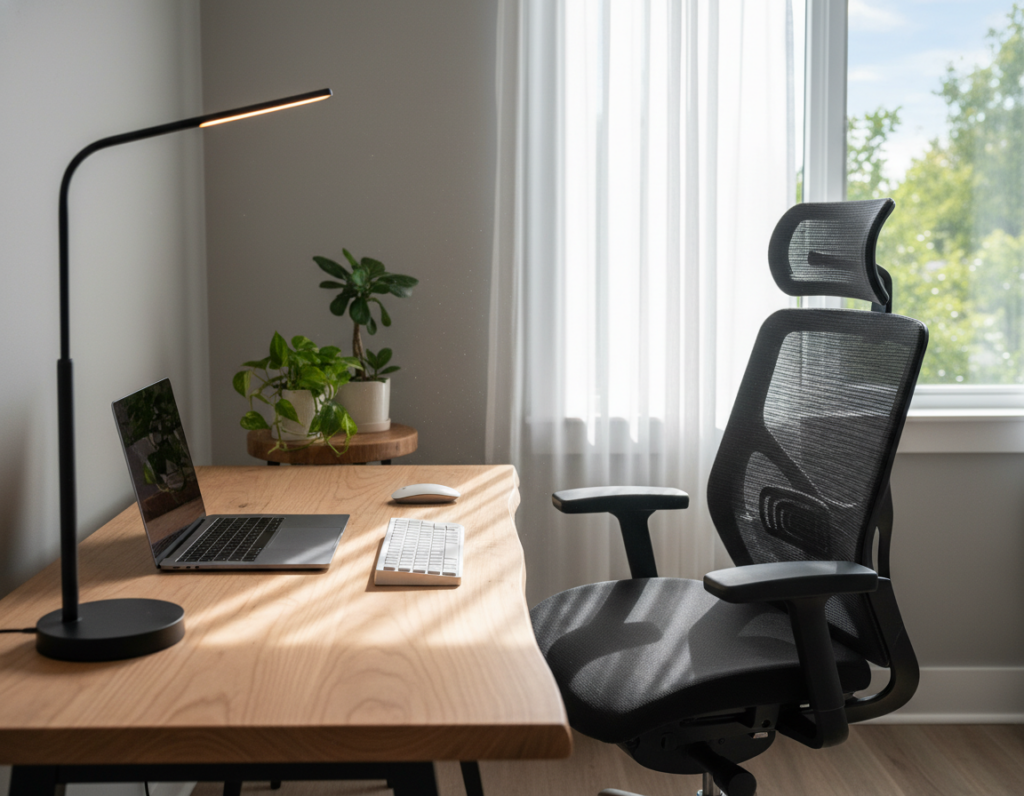
A quiet corner in a bedroom or living area reduces interruptions and boosts concentration. Proper lighting, like a well-placed floor lamp, brightens the scene and makes the room feel larger.
- Choose calming color tones to reduce visual fatigue.
- Invest in an ergonomic chair and desk to support long-term health.
- Keep one dedicated space for work to preserve a healthy routine.
“A defined workspace helps people leave work behind at the end of the day.”
Assessing Your Available Square Footage
Start with a tape measure: accurate dimensions make planning an efficient workspace easier. A quick sketch of the floor plan helps them visualize where a desk and chair will sit without blocking doors or windows.
They should look for underused corners, a spare closet or an extra guest area that can become a productive home office. Mapping the room identifies hidden opportunities and prevents surprises when furniture arrives.
A professional approach includes marking appliance and cable needs, then checking clearances for the desk and seating. This step ensures enough circulation space and avoids overcrowding the area.
- Measure walls, door swings and window heights.
- Note where outlets, heating vents and natural light fall.
- Plan equipment placement before buying new pieces.
“Measure twice, plan once — it saves time and keeps the space functional.”
Optimizing Your Small Home Office Layout
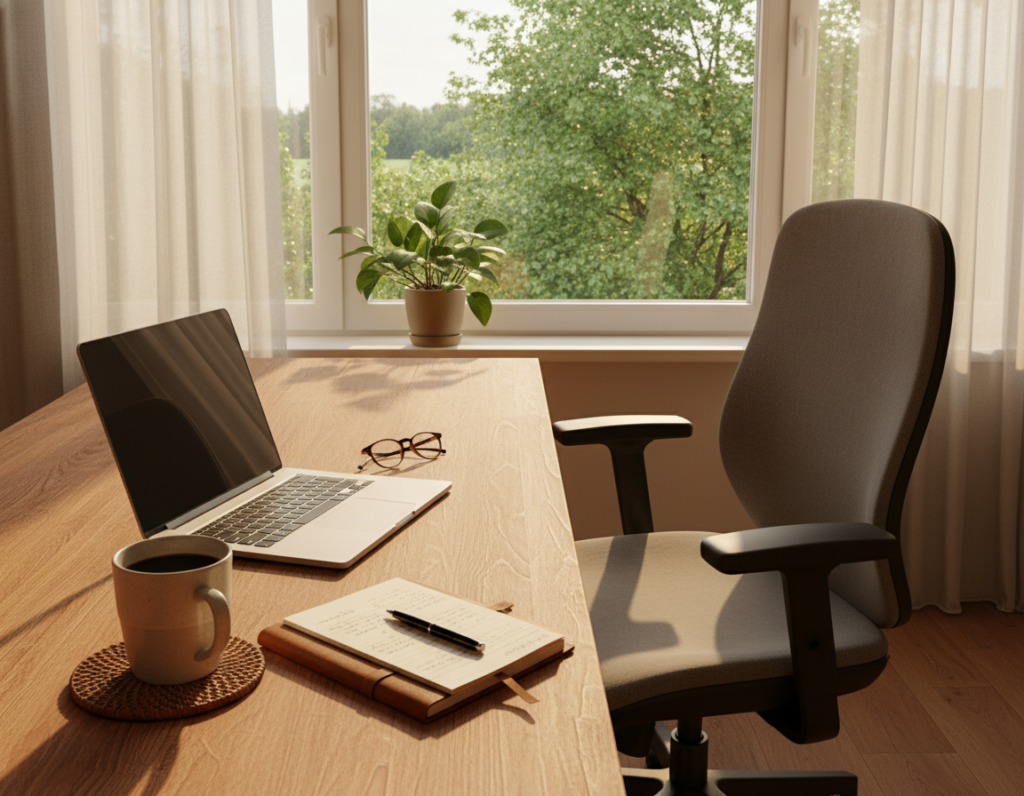
A clear sightline to a window instantly changes how a room reads and how a person works. A professional designer often recommends placing the desk near natural light to make the area feel larger and lift mood.
Clearing daily clutter is the most effective move. Fewer items on the surface keep the workspace productive and make cleaning faster.
In a living room, color-blocking a single wall defines the work zone without building a partition. This trick separates functions and keeps the rest of the space flexible.
Consider a floating desk to free up floor area and preserve circulation. Proper furniture placement helps the room avoid feeling cramped and supports better focus.
- Orient the desk toward a view to inspire longer, fresher work sessions.
- Use corners for vertical storage so the floor stays open.
- Plan the flow so movement to the door, window and chair is smooth.
“By designing with light and flow in mind, a modest room can perform like a full office space.”
Utilizing Vertical Space for Storage
Rethinking upward storage can immediately free floor area and make a workspace feel orderly. Tall shelving keeps essentials off the desk and opens walking paths. It also creates clear sightlines that calm the room.
Shelving Systems
Floor-to-ceiling shelving is a proven way to maximize vertical space without losing floor area. Units that reach the ceiling store books, gear and files while keeping the workspace uncluttered.
- Mount a table lamp on a shelf to save desktop space and keep the area well lit at night.
- Use the strip above a door for boxes or rarely used items to reduce visual clutter.
- Choose shelving with built-in wire management so tech and cables stay hidden and tidy.
- By building up rather than out, the room feels larger and more professional for daily tasks.
“Thoughtful vertical storage turns every inch of the walls into usable, organized storage.”
Selecting Multifunctional Furniture
Smart furniture turns one room into many. Choosing items that fold, hide or pivot creates flexibility without renovation.
Wall Beds
The LGM revolving wall bed in a Toronto condo pairs a queen bed with a five-foot fold-down desk. This approach makes a bedroom double as a productive home office while keeping guest needs in mind.
Floating Desks
A floating desk clears floor area and keeps the look light. The Abaco freestanding table offers a minimalist profile and under-desk storage to hide cables and supplies. The result is a neat work surface that supports a comfortable chair and focused work.
Modular Units
Modular units adapt to an apartment’s quirks. They combine shelving, hidden drawers and a work shelf so the space reads polished and efficient. Prioritize pieces with concealed storage to reduce daily clutter and elevate room style.
- LGM revolving wall bed converts a bedroom into a guest-ready workspace.
- Abaco freestanding desk hides items under the surface for a clean look.
- Modular systems can be tailored to fit exact door and window placements.
“High-quality multifunctional furniture elevates the style of your home while providing practical utility.”
Implementing Layered Lighting Techniques
A thoughtful mix of ceiling illumination and a focused lamp changes how a person uses a desk and the surrounding space.
Start with ambient light from a ceiling fixture, then add a task light at the work surface to reduce eye strain. Professional designers suggest dimmable bulbs so the office can shift mood through the day.
Layered lighting makes a home office feel more inviting and boosts productivity. Different sources let the user highlight zones — a reading nook, the tech area or a meeting corner — and build a dynamic, professional setting.
Modern furniture often includes integrated LEDs that free up desktop area while keeping the workspace well lit. These built-in solutions save floor and shelf room and pair well with adjustable bulbs.
- Combine ambient, task and accent bulbs to balance glare and contrast.
- Use dimmers to adapt the office for calls, focused work or relaxation.
- Place task lighting so it illuminates the desk without casting shadows on the work surface.
“Proper lighting design is an essential part of any successful home setup.”
Using Mirrors to Enhance Spatial Perception
Reflections are an inexpensive trick that instantly multiply daylight and expand visual depth in a workspace. Placing a mirror opposite a window amplifies natural light and makes a home office feel more open.
A mirror near the desk helps bounce light across the room, brightening corners and lifting mood. Designers often add a reflective piece in a living area or an office nook to create an airy, layered look.
Mirrors also reflect color or artwork to add depth and style. This simple move can make a small home feel more luxurious while serving a practical role for daily routines.
- Opposite a window to amplify daylight.
- Near the desk to bounce task light from a table lamp.
- Place at floor height to extend sightlines and make the space read larger.
“A well-placed mirror can turn a compact area into an inviting, brighter place.”
Defining Zones with Curtains and Dividers
Curtains and portable screens let a household create a private work area without construction. Kate Dawson, an interior designer in New Jersey, says fabric partitions are a flexible way to separate a home office from the rest of a living area.
Installing a curtain behind a desk turns a corner into a dedicated workspace that can be closed off at day’s end. This approach hides equipment and files, so the rest of the home feels relaxed and uncluttered.
Dividers offer similar benefits for someone in a limited space. They create a clear visual barrier that supports focus and a professional mindset when meeting or working on tasks.
- Use a ceiling-mounted track for smooth curtain operation.
- Choose light-filtering fabrics to keep daylight in the zone.
- Opt for a slim panel if floor space is tight.
“Curtains let you mark a boundary for work and then close it when you’re done.” — Kate Dawson
Incorporating Statement Wallpaper and Color
Wallpaper with a striking motif instantly gives a workspace a clear visual identity. A feature wall behind the desk sets a creative tone without reworking the entire room. It makes the home office feel intentional and curated.
Choosing a bold color for the feature wall helps distinguish the work zone from the rest of the home. Designers often use one patterned wall and keep remaining walls neutral to avoid visual overload.
Even in a compact space, textured wallpaper adds depth and a touch of luxury. A single statement panel can elevate the look and support a consistent design across the office.
- Define the zone: a patterned wall anchors the home office and frames the desk.
- Keep a palette: select 2–3 complementary tones so the office reads cohesive with the rest of the home.
- Add texture: grasscloth or embossed vinyl adds interest without taking up any floor space.
“A single bold wall can make a modest work area feel purposeful and well designed.”
Creating a Gallery Wall for Personal Style
Layering framed pieces creates a focal point that elevates the room without adding furniture. A gallery wall is an efficient way to bring personal flair into a home office and make the space feel uniquely theirs.
Start with the largest piece and build outward to craft balance. Using a consistent frame color or matting ties the collection to the rest of the home decor, so the result reads polished and intentional.
Personal touches—travel photos, prints or commissioned art—keep the office relatable and inspire focus without cluttering the desk or floor. A curated wall adds visual interest while preserving usable space.
For step-by-step guidance, reference a practical guide on how to make a gallery wall. Displaying items that spark joy supports productivity and builds a design that feels both professional and personal.
“A well-chosen gallery gives a compact work area character without sacrificing function.”
Choosing Ergonomic Seating for Comfort
An ergonomic seat changes how someone feels after a long day at a desk, often more than a new table or paint color. Caitlin Scanlon, a Los Angeles designer, urges buyers to choose function over looks when picking an office chair.
Protecting the neck and back is the main reason to invest in a supportive chair. Good lumbar support and adjustable height reduce strain during long work sessions in a home office.
Some high-performance chairs are plain. That is fine. They can be softened with textiles. For example, a lambskin hide draped over the back camouflages the chair and ties it to the rest of the home decor.
Spending more on a quality chair is one of the best long-term choices for health and productivity. When the right chair pairs with the desk, the entire space becomes more supportive and easier to use.
“A comfortable chair allows you to focus on work and keeps aches at bay.”
- Choose adjustability: height, tilt and lumbar control matter.
- Prioritize materials: breathable fabric or leather supports long days.
- Style it: a simple throw ties the piece into the room without sacrificing comfort.
Leveraging Nooks and Architectural Quirks
A tucked-in niche can become the most efficient part of a room with a few thoughtful moves. Designers from Sag Harbor to London show how built-in features turn awkward corners into purposeful workspace.
Nick Olsen blended a desk into indigo walls so the piece reads like decor rather than furniture. Miminat Shodeinde carved an arch-shaped nook for a computer and made a compact workspace feel refined.
Use a floating desk or a vintage table to fit odd angles without blocking a door or window. Eric Egan’s scenic wallpaper and Tiffany Howell’s floating desk both conceal function while adding style.
Practical ideas include orienting the table toward a view, adding a table lamp for task light, and choosing a comfortable chair that supports long days. These moves let a bedroom or living room host a professional office space without major renovation.
- Camouflage the zone with wallpaper or paint to blend it into existing decor.
- Choose furniture that scales to the corner and keeps circulation open.
- Point the desk to a window when possible to borrow a natural view.
“By treating quirks as opportunities, even the tightest corner can become a refined, usable workspace.”
Integrating Tech and Wire Management
Tidy cabling and built-in charging let technology fade into the background so the home office feels calm and efficient.
Proper wire management keeps a desk surface clear and prevents the mess that often builds in a bedroom workspace. Hidden channels and under-desk trays route power and USB lines out of sight.
Integrating tech into furniture helps too. Many modern pieces include charging ports and cable clips so devices charge in place and cords stay managed.
- Use a cable raceway behind shelving to hide power strips.
- Choose a desk with built-in grommets or a charging shelf.
- Label cords and secure them with Velcro ties for quick changes.
When the setup sits in a bedroom, good wire control supports a clear end to the day and protects the work-life boundary. Investing in quality management makes the space feel permanent and professional.
“A well-organized workspace reduces distraction and helps people focus.”
Adding Natural Elements and Greenery
Bringing plants and natural textures into a compact workspace reconnects people to daylight and calm.
Plants reduce stress and improve air quality, so adding a few pots near the desk helps the area feel fresher and more inviting.
A tiny office tucked into a corner of a living room can gain energy from a tall fern or a trailing vine by the window. Natural light plus greenery makes the space read as intentional and warm.
Wood accents and stone accessories add tactile warmth. A wooden shelf or a pebble planter grounds the room and softens tech-heavy zones.
- Place a plant beside the chair to make the desk feel less clinical.
- Pair a well-placed lamp with low-maintenance plants to brighten dim corners.
- Use natural materials—wood trays, stone pots—to tie the design together.
“Surrounding your workspace with nature makes a modest space feel like a calm retreat.”
Maintaining a Clutter-Free Environment
Keeping surfaces clear is the most effective way to ensure a productive and professional home office. A quick daily reset of papers, cords and mail makes the room read larger and reduces visual distraction.
They should clear the desk at the end of each day and return items to designated spots. When a person limits what sits out, the space becomes easier to use and to clean.
Use vertical storage on the walls so the floor stays open. Shelves, pegboards and slim cabinets free circulation and make a small space feel calm. Designers note that tidy storage helps a room look intentional and polished.
Choose furniture and a desk that fit the routine — a desk small enough for daily tasks reduces items that collect. Add a spot for a chair and a place for frequently used tech near a window so tools stay accessible but not permanent fixtures.
- Clear the surface weekly to prevent build-up.
- Store rarely used items out of sight to keep the look clean.
- Adopt a simple rule: every object must have a purpose.
“A clutter-free workspace helps people focus and makes the home feel like a place of both rest and productivity.”
Conclusion
Conclusion
Creating a functional home office rewards daily work with better focus and comfort. By rethinking the desk position and storage, any room can feel more open and purposeful.
Whether they choose a wall bed, a floating table, or a corner desk, the best office reflects personal needs and good design. Investing in quality furniture and clear cable management makes the space durable and calm.
Next steps: explore practical small office layout ideas for more ways to reclaim a room and build the home office they want. Thoughtful choices will keep this office useful for years.