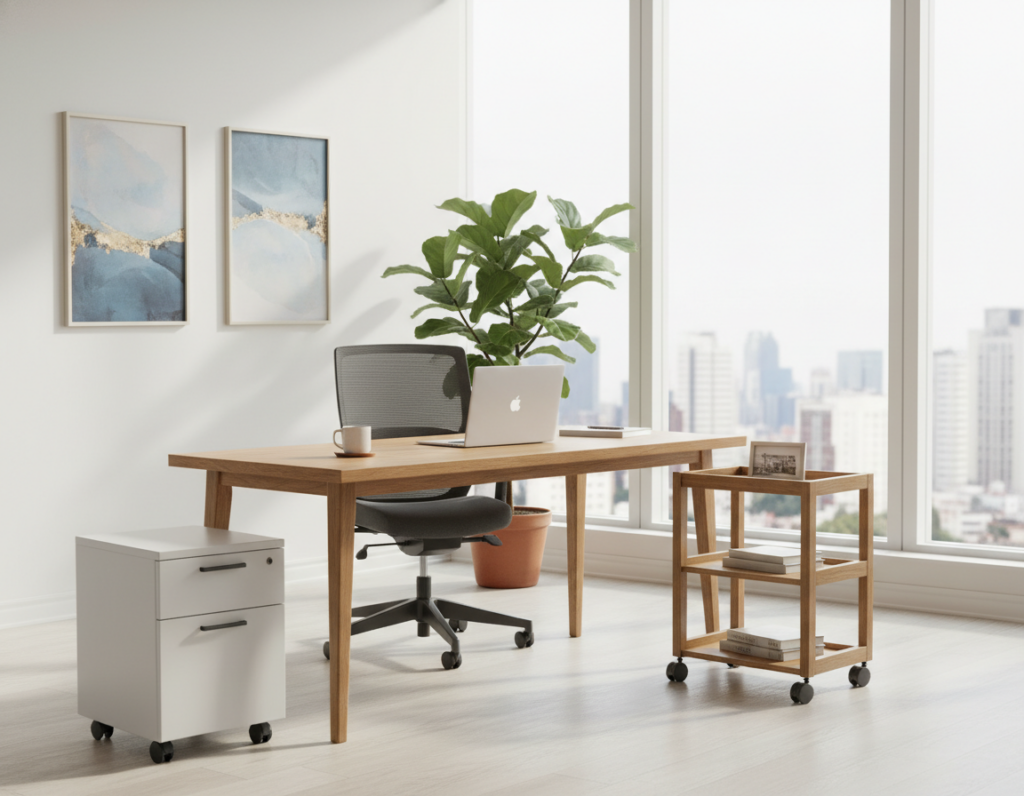
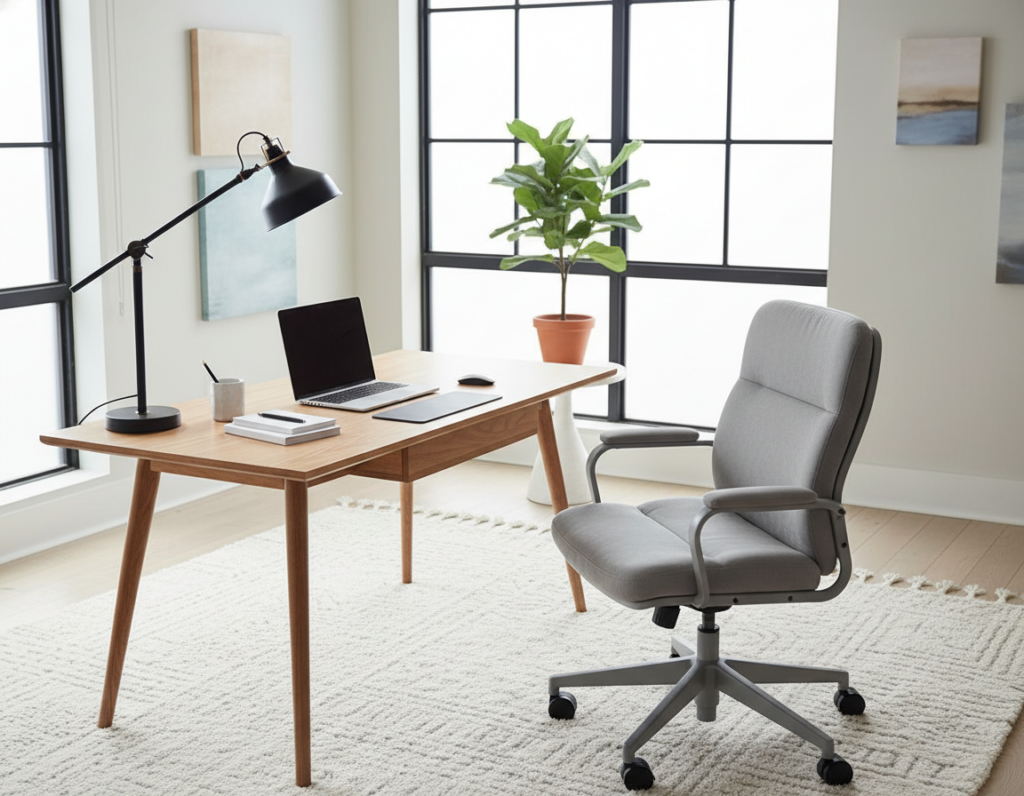
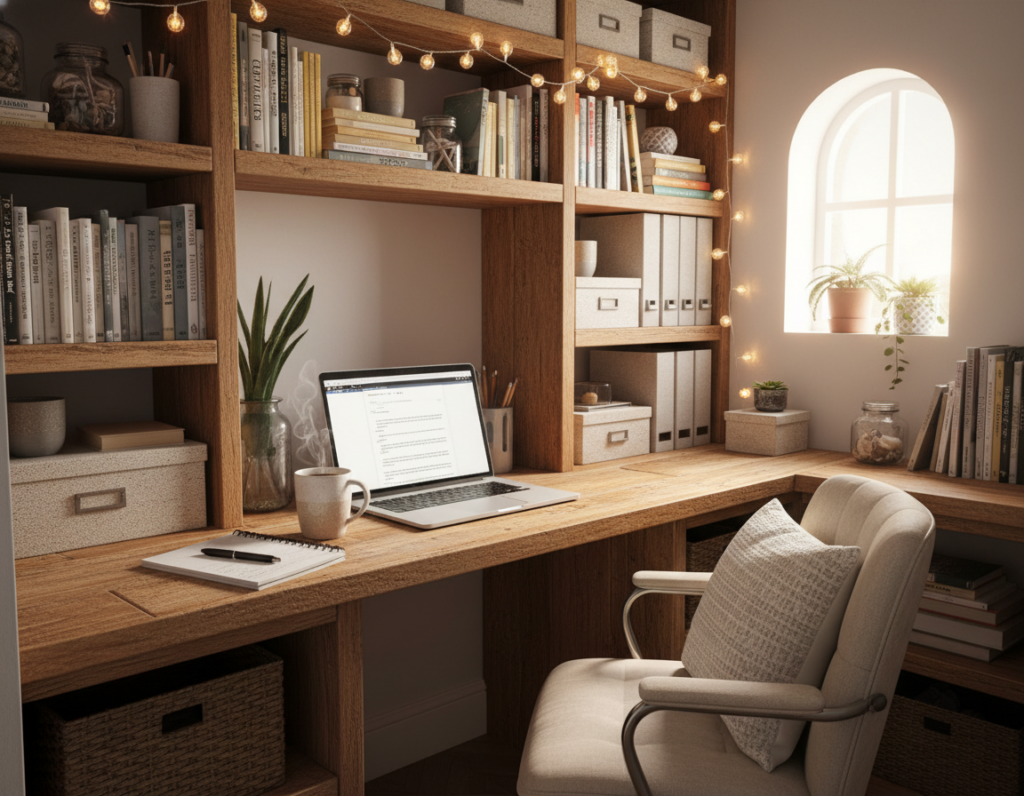
Choosing the right compact display can make a cramped desk feel like a professional workstation. When someone uses a laptop in a limited office, the correct screen and arrangement maximize productivity and comfort.
Many professionals add a portable monitor to extend their desktop and free up visual space. A matched display helps keep cables tidy and ensures every inch of the screen is useful for email, editing, and meetings.
Practical choices matter: consider how screen dimensions affect posture and the physical footprint of the desk. They should pick gear that complements the laptop and supports a focused workflow.
For guidance on precise placement and spacing in tight rooms, see practical positioning advice at how to position studio monitors. Brands such as Lenovo also offer tiered benefits for heavy buyers, which can influence long-term investment decisions.
Assessing the Benefits of a Small Monitor Setup
A compact external screen gives users a fast way to spread documents, video, and chat without swapping tabs. This approach improves productivity by keeping multiple windows visible across the desktop.
Visibility and performance matter. Mobile Pixels recommends 27″ to 32″ displays for good visibility, and 1080p is the minimum resolution for professional work. For gaming or high-frame video tasks, refresh rates of 120Hz to 144Hz offer a smoother experience.
Proper ergonomics reduce strain. Adjusting the stand height and keeping eye level aligned with the top third of the screen helps maintain posture. Position the secondary monitors so the laptop sits to one side, with the keyboard and desk arranged for easy reach.
- Stacked displays let users view multiple windows at once and save time during the day.
- Choosing 1080p or higher keeps video and editing tasks clear and reliable.
- A tidy desktop with a keyboard tray and cable management removes distractions.
In short, the right combination of screen size, resolution, and ergonomic stand gives professionals options that boost daily work flow and comfort.
Key Hardware Considerations for Compact Displays
Choosing the right panel and resolution can change how productive a desk feels without adding bulk. This section outlines the hardware factors that affect color, speed, and daily comfort.
Panel Technology
IPS panels deliver the best color accuracy and wide viewing angles, making them ideal for photo and video work.
VA panels offer deeper contrast but narrower viewing angles, which can be noticeable when multiple people view the screen.
TN panels trade color depth for faster response times and lower cost, a common choice for competitive gaming where speed matters.
Resolution and Clarity
A 1080p resolution is the baseline for reliable video and design performance on portable displays. Higher pixel density improves text clarity and reduces eye strain during long tasks.
Ports and ergonomics matter too. Ensure the desktop has HDMI or USB-C ports for clean cable routing and compatible power delivery. The height and tilt of the stand affect posture and overall user experience.
- Match panel type to intended work: color work, contrast needs, or fast gaming.
- Confirm ports and power delivery to avoid cable clutter and compatibility issues.
- Prioritize a stand with adjustable height and tilt for long-time comfort at the keyboard.
Maximizing Vertical Space with Stacked Configurations
Using stacked displays lets users assign different tasks to dedicated levels and reduce window switching. This method increases visible screen real estate without expanding the desk footprint.
It helps productivity by keeping active work on the lower display and reference windows above. Many professionals find that layered screens make multitasking easier and cut time lost to tab hunting.
Mounting and Stability
For a secure stacked arrangement, VESA mounting is recommended. A proper mount prevents wobble and keeps both screens at consistent height and level for long work sessions.
Choose a sturdy stand or a dual-pole mount rated for the combined weight of the displays. Confirm the stand offers tilt and height adjustments to align the top screen with eye level.
- Stacked monitors maximize vertical space and double available screen real estate on a single desk.
- Mounting vertically keeps the laptop to one side while the top display shows reference windows or chat.
- A rigid stand is essential for stability during intensive tasks like coding or gaming.
- This arrangement reduces the side-by-side footprint, creating a cleaner, more professional workspace.
Integrating Mini PCs with Portable Monitors
Pairing a mini PC with a portable display creates a flexible desktop that travels easily. This approach suits professionals who move between home, client sites, and co‑working spaces. Portable displays usually range from 13 to 17 inches and fit neatly into a laptop bag.
Connectivity Standards
Most devices now use USB‑C to carry video and data. That single cable reduces clutter and speeds setup time.
HDMI remains common for higher refresh rates and gaming. Check that the mini PC has the needed ports or an adapter.
Power Delivery Requirements
USB‑C Power Delivery is standard on many portable displays. It lets the host device charge the screen or receive power from the display.
Confirm the wattage. Some displays need more power for higher resolution or brighter panels. Always match power specs to avoid throttled performance.
Portability Advantages
Combining a mini PC and a portable monitor makes a compact desktop that still handles video editing, document work, and casual gaming.
- Fewer cables mean faster transitions between desks and rooms.
- Quality panels maintain good resolution and color for design tasks.
- A lightweight display plus a mini PC forms a practical case for travel and remote work.
“A mini PC paired with a portable display gives users desktop-level features without bulk.”
Ergonomic Best Practices for Limited Workspaces
A proper viewing distance and height make long hours at the desk much easier on the body. Maintain a viewing distance of 20 to 30 inches from the screen to cut eye strain. This range keeps text clear and reduces the urge to lean forward.
Adjust the stand so the top third of the display sits at eye level. That alignment prevents neck strain for users who spend the day at a desktop or with a laptop to one side.
Keep wrists neutral. An ergonomic keyboard tray helps wrists stay level when desk space is limited. Combine that with a quality chair and, if needed, a footrest to support posture through long work sessions.
Cable and power management also matter. Tidy cables free up desk space and prevent accidental tugs that shift the portable monitor or display off level. Confirm ports and routing so the laptop and portable monitors plug in cleanly.
- Maintain 20–30 inches from the screen for reduced eye strain.
- Set screen height to the top third at eye level to avoid neck pain.
- Use a keyboard tray, proper chair, and footrest to support posture.
- Manage cables and power to keep the desk clear and stable.
“Simple ergonomic choices give big returns in comfort and focus.”
Software Strategies to Enhance Screen Real Estate
Window management apps help professionals carve usable zones from one screen for faster multitasking. These tools let users snap windows into grids, switch layouts, and save presets for common tasks.
Keyboard shortcuts speed navigation. Learning hotkeys to move windows, toggle screens, or switch virtual desktops cuts time and reduces clicks.
High resolution and scaling settings fit more content on a display. Increasing resolution or lowering UI scale gives designers and coders extra space for panels and code editors.
Ensure the portable monitor and laptop cooperate. Use OS display preferences or apps that mirror refresh rates and align resolutions so windows move smoothly between screens.
- Use tiling managers to keep documents, chat, and a browser visible.
- Map shortcuts to common workflows for faster task switching.
- Match resolution and performance settings across screens to avoid lag.
“Optimized software makes constrained desks feel like a full workstation.”
Conclusion
A clear plan for display use and ergonomics turns constrained work areas into efficient hubs. This final note ties the article’s advice into a practical view of daily use.
Choosing the right portable monitor and pairing it with a capable laptop improves workflow and saves time. A thoughtful setup focuses on function and fast transitions between tasks.
Prioritize ergonomics and correct screen placement to protect posture and sustain comfort. Small adjustments in height and distance yield big returns for long workdays.
Use this article as a checklist when shopping or organizing gear. With the right portable monitor, case, and placement, any limited desk can become a reliable, productive workstation.