Havenly designer Brady Burke offers practical, stylish tips so electronics don’t overwhelm a space. He shows that you can protect an aesthetic while keeping devices functional.
Brady explains that smart placement of a TV, router, and power strip makes a big difference. Treating your design like a playful game of hide-and-seek helps keep visual clutter out of sight.
When cords are managed, the rest of the room looks clean and professional. Designers also note that outlet locations in many homes are fixed, so creative concealment matters.
Key benefit: Proper planning keeps a living space tidy without sacrificing function. With a few simple moves, devices stay accessible but unobtrusive.
Understanding the Importance of Cable Management
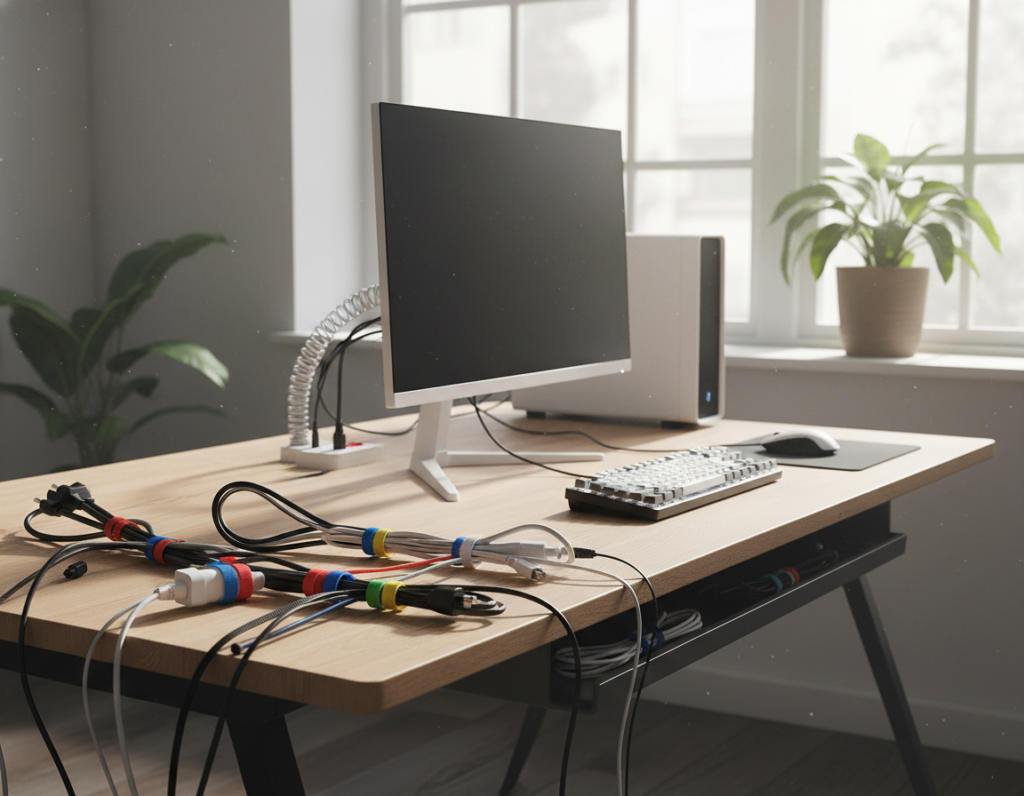
When cables are managed well, a living area reads as thoughtful and uncluttered. This simple change keeps attention on design, not on tangled hardware.
Effective cable work prevents a room from feeling busy or disorganized. Professional designers treat wires as part of the layout so the functional side of a home does not ruin its look.
Managing cords also reduces stress. A neat setup makes devices easier to use and safer to maintain. It gives homeowners room to enjoy technology without visual noise.
- It preserves the room’s focal points and color scheme.
- It lowers trip hazards and keeps power runs tidy.
- It creates flexible space for future tech upgrades.
Good cable planning is a small investment that yields a big return: a calmer, more intentional space that works and looks great.
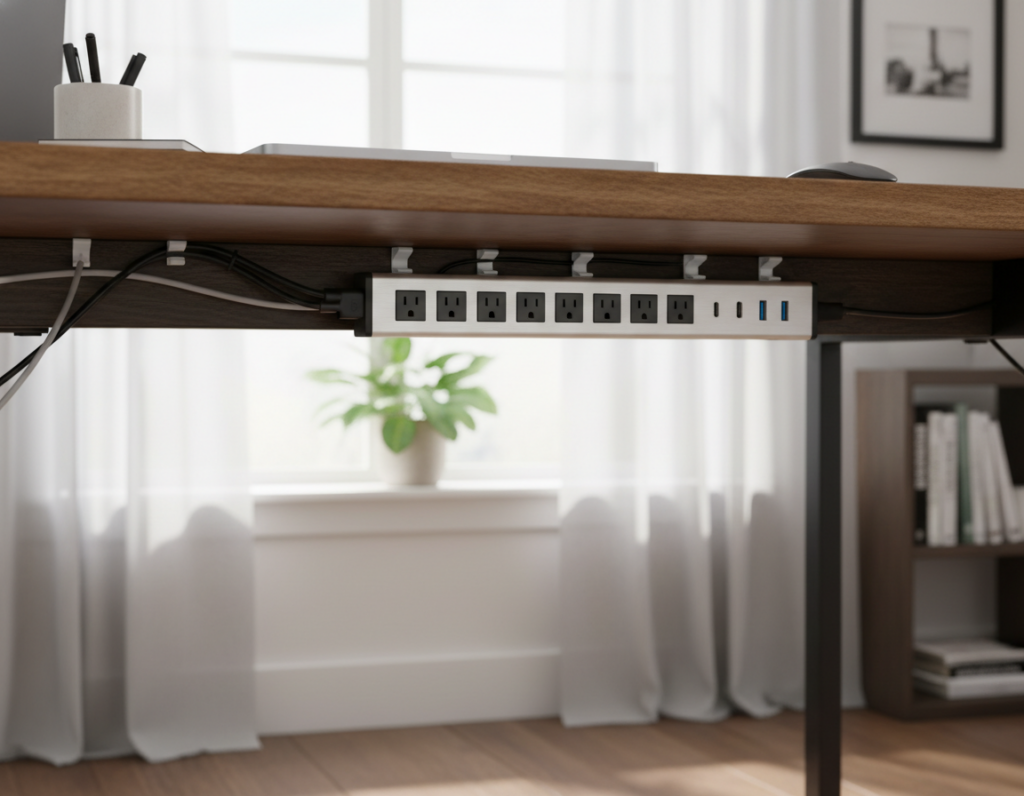
Simple Ways to Hide Extension Cords Using Adhesive Hooks
For busy households, adhesive hooks make it simple to route electrical lines where kids can’t reach them. They offer a low-cost, effective strategy to keep a living room safe and neat.
Choose adhesive clips rated for the weight of your cables and power strips. Command-style hooks peel off cleanly and stick well to painted walls and the back of furniture.
Selecting the Right Hooks
Tip: In a home with seven kids, including a crawling baby, secure adhesives reduce risk and clutter. Pick removable products so the wall surface stays intact.
Proper Placement Techniques
Run cords along the back of a nightstand or table to keep them out of sight and reach. Placing hooks every 6–12 inches prevents a bunch of wires from sagging and becoming a trip hazard.
“Using small hooks to guide lines behind furniture is a great way to keep a room tidy.”
- Use command hooks to run cords along the back of furniture.
- Place clips on the wall near the floor to keep lines low and hidden.
- Anchor any excess slack behind cabinets to maintain a clean sight line.
Result: This simple approach keeps electrical cords organized and out of sight while protecting active households.
Utilizing Furniture to Conceal Power Strips
Tucking a power strip behind a credenza or inside a cabinet keeps devices powered without drawing attention. Placing the strip at the back of a storage unit lets electronics run in plain sight while the living area stays tidy.
Run the main cord along the rear edge of a table or console so the strip stays accessible but out of view. Use simple fasteners or a small tray to anchor the strip to the furniture’s back panel.
Tuck excess wires into a drawer or a cable channel inside a media cabinet. This method manages electrical cords and keeps them from sprawling across floors or tabletops.
“Placing power supplies behind furniture is a professional way to maintain a clean sight line.”
- Store a strip inside a closed cabinet for quick access and a neat room.
- Run cords behind furniture to protect them from foot traffic.
- Anchor wires inside a console to avoid tangles and reduce visible clutter.
Tip: Choose a furniture placement that leaves the strip reachable for resets but shielded from plain sight. This simple way improves safety and preserves the room’s design.
Running Cables Along Baseboards for a Seamless Look
A neat run of cable at the base of a wall can make electrical wiring feel intentional, not accidental. This method keeps the eye on the room’s design instead of on loose wires.
Painting to Match Your Trim
Secure the cable along the top of the baseboard with small clips to create a clean line. Once the line is anchored, paint the cord the exact color of the trim.
Professional tip: The VP of Design & Creative at Havenly painted her floor lamp cord with Benjamin Moore Simply White to match white baseboards. The result made the lamp cord nearly disappear against the molding.
- Run cords along the baseboard and fasten every 6–12 inches to prevent sagging.
- Paint the cable the same color as trim for a uniform cover that blends into the wall.
- Anchoring wires this way keeps a lamp cord from drawing attention and preserves the room’s look.
“Painting a cord to match trim is a quick, high-impact way to protect a room’s finish.”
Hiding Cords Underneath Rugs and Carpets
One simple approach to reduce visible wiring is to tuck cables beneath a rug or runner. This is a great way to keep a floor clear when outlets sit far from a seating area.
Running a power line under an area rug is a low-impact way hide cords from sight. For a lamp or floor light, use electrical tape to keep the lamp cord snug to the floor so it stays flat and won’t bunch underfoot.
If a table sits far from the wall, cut a small slot in the rug and feed the cable through to the underside. This preserves the surface and avoids drilling into floors or walls.
Benefits:
- Keeps wires organized without permanent changes.
- Makes walking paths safer and more attractive.
- Lets homeowners run cords where needed while protecting the room’s look.
Tip: Test the rug for movement over time and secure any excess under furniture so the run stays tidy and safe.
Creating Custom Cord Covers for a Polished Finish
A custom built cover can turn a jumble of electronics into a considered display piece.
Brady Burke built a museum-inspired pedestal with a hollow back to house a wifi router and electrical cords. A simple box like this acts as a cord cover and elevates a room’s look while keeping gear accessible.
DIY Pedestal Hacks
Start with a small cabinet or create a box to match a side table. Cut a rear opening for power and ventilation.
Anchor the router inside and run cables down the hollow back. This gives the unit function and a museum-like presence in the living room.
Selecting Material Finishes
Choose a finish that reflects nearby furniture and the wall color. When painted to match the wall, a cover nearly disappears to someone entering the space.
- Pick wood or MDF for a smooth painted surface.
- Match stain or paint to existing furniture for a cohesive feel.
- Spend a weekend and you’ll gain a polished, long-lasting cover.
“A tailored cord cover blends utility with design and makes electrical cords feel intentional.”
Swapping for Battery Powered Electronics
Replacing hardwired pieces with battery-powered options can greatly reduce the need for visible wiring. This choice trims setup time and removes many obstacles to a clean layout. It also frees a room from the constraints of outlet placement and complex power runs.
Havenly designer Brady Burke often reaches for puck lights and rechargeable lamps to avoid costly jobs, like running wiring through brick. Those items keep a wall crisp and let the design take center stage.
Practical advantages:
- Battery fixtures remove the need to run a cord across floors or trim.
- Rechargeable electronics cut the number of cords you manage daily.
- Table lamps that run on batteries let you place lighting without nearby outlets.
“Swapping to battery-powered fixtures is a proactive way to simplify a room and reduce cable clutter.”
Result: Fewer plug-in devices mean less cable work, easier organization, and a cleaner aesthetic without sacrificing function.
Using Decorative Elements to Mask Clutter
Placing everyday decor thoughtfully can turn a messy bundle of power into a deliberate styling choice. This approach keeps function out of plain sight while preserving usability.
Strategic plant placement is a great way hide a bunch of wires and a power strip. A large potted plant behind a table or near a wall creates a natural screen that still allows airflow and access.
If a lamp cord is visible, tucking it behind a decorative object or behind the plant pot is a simple way to make it disappear from sight. Small sculptures, baskets, or books work well as purposeful covers.
Tip: Use a tray or low box to hold a power strip and conceal slack. This keeps cord clutter controlled and makes the area feel curated instead of messy.
- Place a tall plant in the right spot to mask power runs.
- Layer decor to guide the eye away from wires.
- Keep access points reachable so the set-up stays practical.
“Using decor to hide your wires is a great way to ensure a room feels curated rather than cluttered with cables.”
Managing Cables Inside Cabinets and Drawers
A simple cabinet modification can transform a jumble of plugs into an organized, accessible system.
Drilling access holes: Use a spade drill bit to cut a neat opening in the back of a nightstand or console. This creates a clean path for a power strip and main power lead so furniture sits flush against the wall.
Managing excess slack: Store extra cable slack inside a drawer or a shallow box. A 16GB thumb drive costs about $8 and can hold family movies, reducing the need for bulky external drives and lowering the number of wires behind a desk.
Using cable organizers: Small trays, velcro straps, or internal clips keep a strip and their plugs orderly. Use command hooks inside a drawer to secure chargers in place and a slim power strip so the furniture remains tight to the wall.
- Drill a back access hole for neat routing.
- Stash slack in a cabinet to keep the table top tidy.
- Anchor chargers with internal hooks and a low-profile strip.
“A tidy interior makes a home feel intentional and saves time when devices need attention.”
For more tips and simple setups, see these simple cable-management tricks.
Embracing Cables with Creative Camouflage
Simple styling choices can make a power run look like a purposeful accent instead of clutter. Designers recommend treating visible lines as part of the room’s palette.
Try a braided cloth cord cover to add texture and color. A patterned sleeve turns a utilitarian cord into a deliberate trim that complements nearby furniture and decor.
Match a black power cable to a black desk or paint the line to blend with the wall. Small moves like this make electronics feel integrated rather than intrusive.
- Wrap a cord in decorative tape or fabric for an instant, low-cost upgrade.
- Use a tailored cord cover to create a neat, finished line along baseboards or furniture backs.
- Choose color and pattern to mirror textiles or hardware so the run reads as styling, not afterthought.
“Dressing up a necessary line can turn an eyesore into a stylish detail.”
Result: When removal isn’t possible, thoughtful camouflage ensures power connections add to the room’s look while staying functional.
Conclusion: Achieving a Clutter Free Home
Small interventions, done once, keep technology from overpowering a living space. A few easy habits make a lasting difference. They let every room feel calm, useful, and intentional.
Achieving a clutter free home is possible when homeowners manage each cord and address cord clutter with purpose. Using adhesive hooks, running lines along trim, or creating custom covers all add up.
When each connection is planned, the overall look stays polished and professional. These expert-approved methods protect the design while keeping devices reachable and safe.